
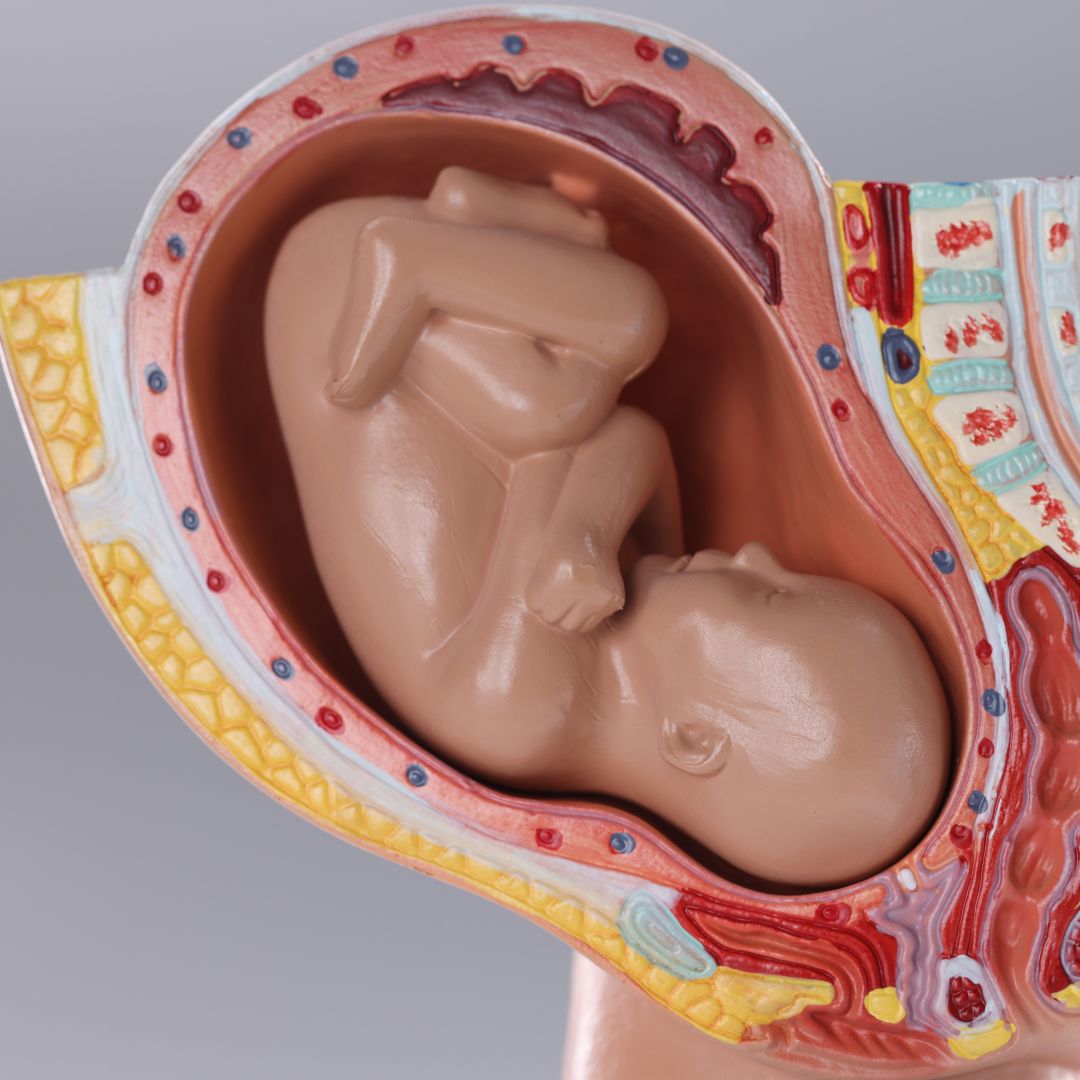
For many expectant parents, the umbilical cord is a source of mystery and oftentimes anxiety. Its role is fundamental, yet it’s often surrounded by myths and misconceptions that may lead to unnecessary concern. By understanding the umbilical cord’s essential functions, addressing common myths, and discussing how potential complications are managed through a clear, research-based perspective, we hope to offer reassurance and a deeper understanding.
Navigation
- The Role of the Umbilical Cord
- Anatomy of the Umbilical Cord
- Unraveling the Truth About Nuchal Cords
- Navigating Concerns During Pregnancy
- FAQs
The Role of the Umbilical Cord
The umbilical cord is more than just a physical connection between the birthing parent and baby; it’s a lifeline that plays a critical role in the development of the fetus.
Anatomy of the Umbilical Cord
The umbilical cord’s structure is complex, but essential for fetal development. It comprises two arteries and one vein, encased in a jelly-like substance called Wharton’s jelly.
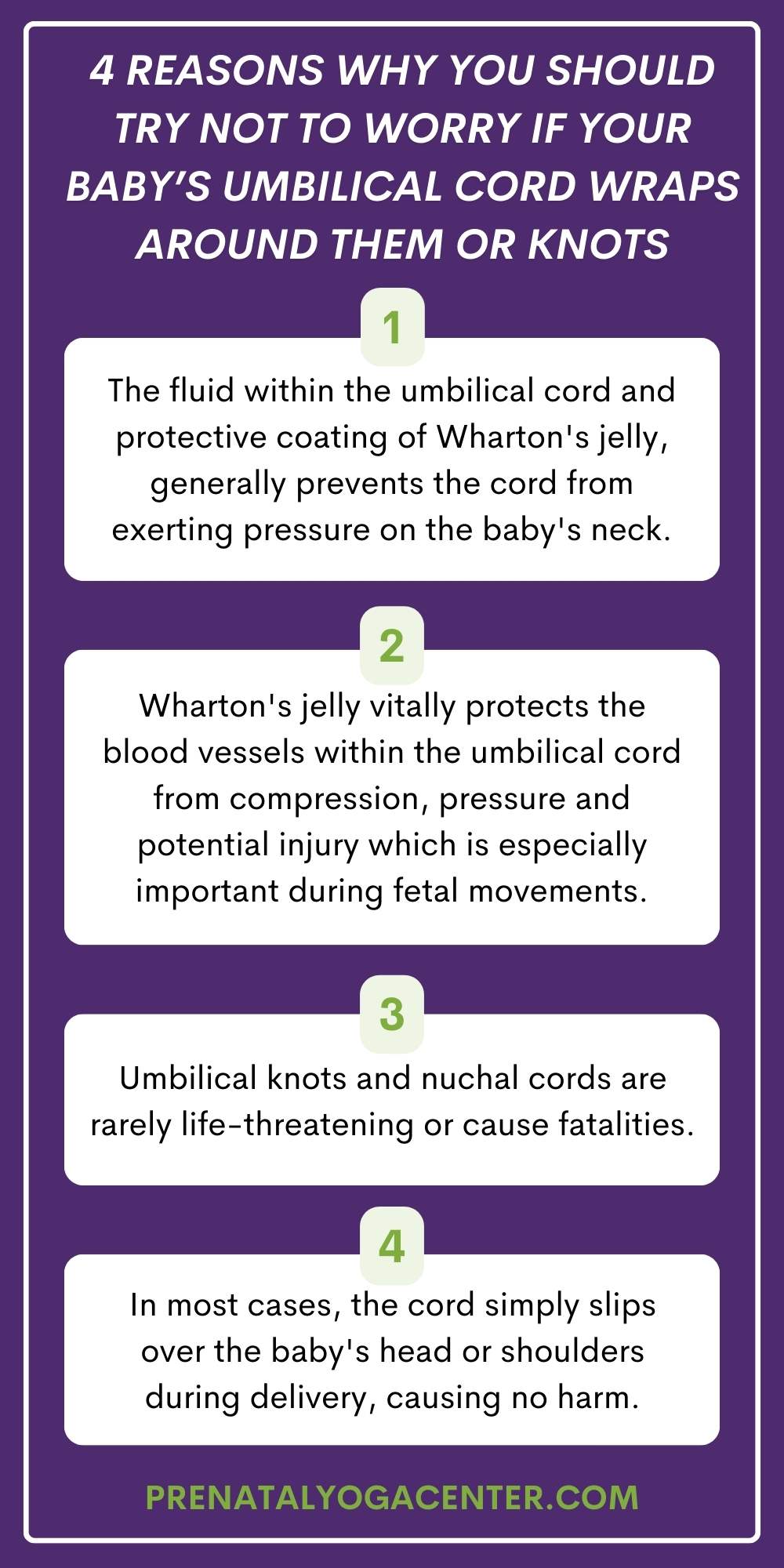
Wharton’s jelly is vital for protecting the blood vessels within the umbilical cord from compression, pressure and potential injury which is especially important during fetal movements. While the cells within Wharton’s jelly contribute to the cord’s ability to resist bending and stretching, ensuring a continuous flow of blood and nutrients to your baby.
Unraveling the Truth About Nuchal Cords
One of the most common concerns among expectant parents is the presence of a nuchal cord, where the umbilical cord wraps around the baby’s neck. This phenomenon, which often can be worrying, is generally not as threatening as it may seem.
According to Dr. Robyn Horsager-Boehrer, nuchal cords occur in about 30% of pregnancies. It is often detected during routine ultrasounds and rarely causes complications. The fluid within the umbilical cord, combined with the protective coating of Wharton’s jelly, generally prevents the cord from exerting pressure on the baby’s neck. In most cases, the cord simply slips over the baby’s head or shoulders during delivery, causing no harm. The presence of a nuchal cord is not an indication of fetal distress, and many babies with a nuchal cord have normal heart rate patterns throughout labor and delivery.
Navigating Concerns During Pregnancy
It’s natural for expectant parents to worry about their unborn child’s health, particularly concerning the umbilical cord. When it comes to managing potential umbilical cord complications, including nuchal cords, the approach is often careful monitoring, including daily kick counts starting in the third trimester and informed healthcare intervention when necessary. This helps to ensure the safety and well-being of both the birthing parent and the baby.
Regular prenatal checkups play a crucial role in monitoring the health of the umbilical cord. Through these checkups, healthcare providers can identify any potential complications early on.
For those interested in this topic, I would like to share an interesting article by midwife, Dr. Rachel Reed; Nuchal Cords: the perfect scapegoat (Here is a snippet of it to pique your interest)
“The nuchal cord has become the perfect scapegoat because it lays blame with the mother/baby rather than the care provider/system. The result is that fear about nuchal cords is embedded within our culture. Whenever I read a story about an unexpected birth outside of hospital it always seems to involve a nuchal cord. The story is about how lucky the baby was to survive the dangers of a nuchal cord away from the experts who can manage such a complication. In addition, I have heard too many birth stories where the complications were unfairly blamed on the presence of a nuchal cord. READ MORE”
FAQs
How Common Are Umbilical Cord Problems?
Umbilical cord issues such as nuchal cords or knots, are relatively uncommon in causing serious complications. Most issues with the umbilical cord are identified early through routine prenatal care and are typically managed effectively without needing significant intervention.
How Can I Prevent Umbilical Cord Accidents During Pregnancy?
There is no certain way to prevent umbilical cord accidents. However, maintaining regular prenatal appointments allows for the monitoring of the baby’s growth and the umbilical cord’s health, enabling early detection and management of any potential issues.
Should I Worry About the Umbilical Cord?
While concern is natural, it’s important to remember that significant umbilical cord problems are rare. Staying informed and maintaining open communication with your healthcare provider is the best way to address concerns and receive reassurance.
How Do I Know if My Umbilical Cord is Around My Baby’s Neck?
Ultrasound is the most reliable method for detecting if the umbilical cord is wrapped around the baby’s neck. Healthcare providers typically identify such cases during routine prenatal scans and monitor them closely to ensure the baby’s well-being.